The Strongest Muscle in the Human Body? (It’s Not the Tongue) explores what really qualifies as the strongest muscle. It also explains why common beliefs about it are often wrong.
You are at a trivia night. The question pops up. "What is the strongest muscle in the human body?"
The room shouts, "The tongue!"
They are wrong.
This is a common myth. As Scientific American explains, the tongue is actually a group of muscles, not just one. While it is tireless, it is not the strongest in terms of raw power.
The Real Champion: The Masseter, the Strongest Muscle

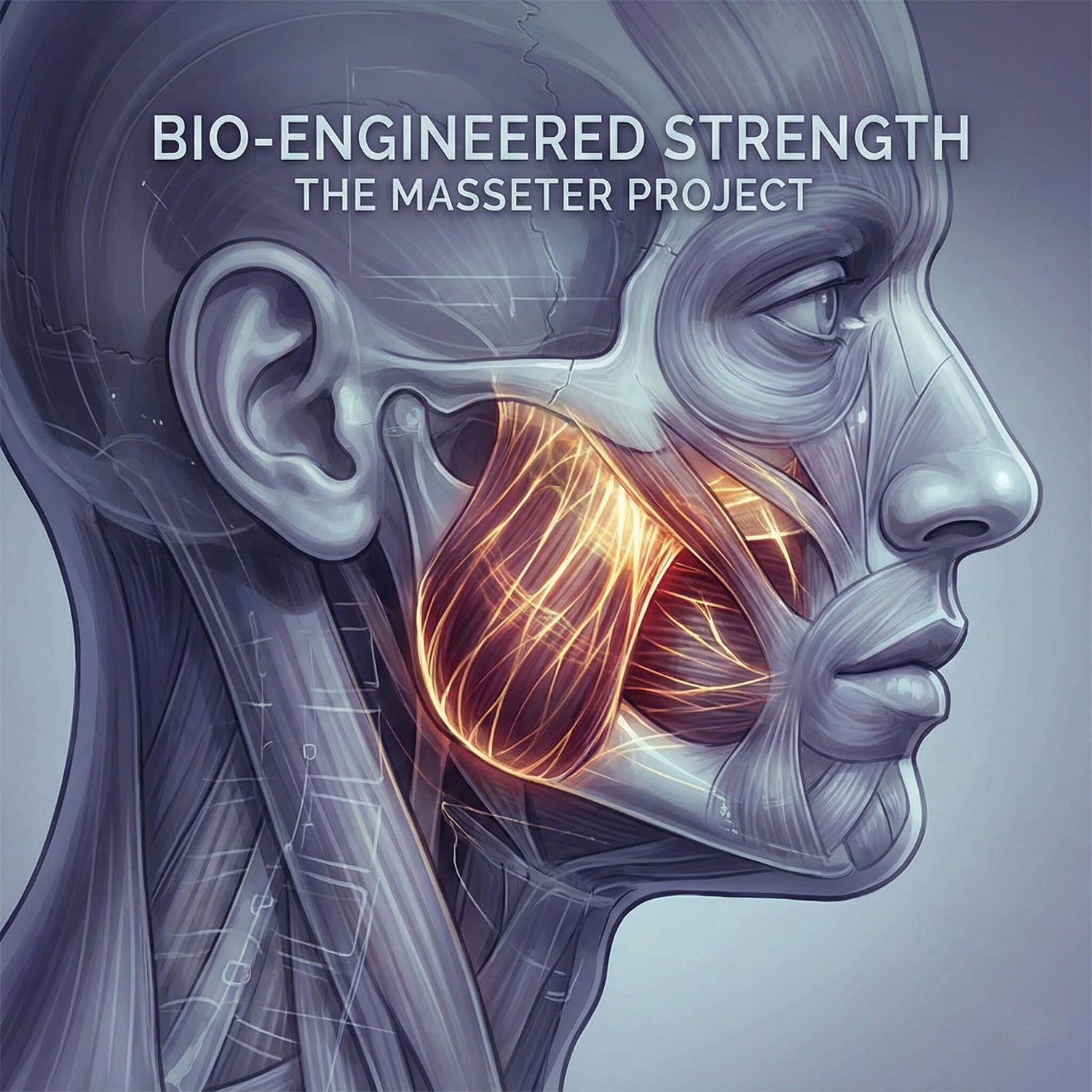
If we talk about pure force, the title belongs to the masseter.
This is the thick muscle in your jaw. You can feel it pop out when you clench your teeth. It has one job: to close your mouth. And it does this with terrifying power.
The Hydraulic Press in Your Mouth
The masseter is essentially a biological hydraulic press.
According to the Library of Congress, this muscle can exert a force of up to 200 pounds (90.7 kg) on your molars. That is like having an adult human standing on your back tooth.
Every time you chew a steak or bite an apple, the masseter engages. It lifts the lower jaw against the upper jaw with incredible leverage.
Why This Strength Is a Double-Edged Sword
This power is great for eating. It is bad for longevity. Your teeth are the only part of your body that cannot heal itself. Yet, they are stuck between these two powerful hammers.
The Hidden Danger of Bruxism
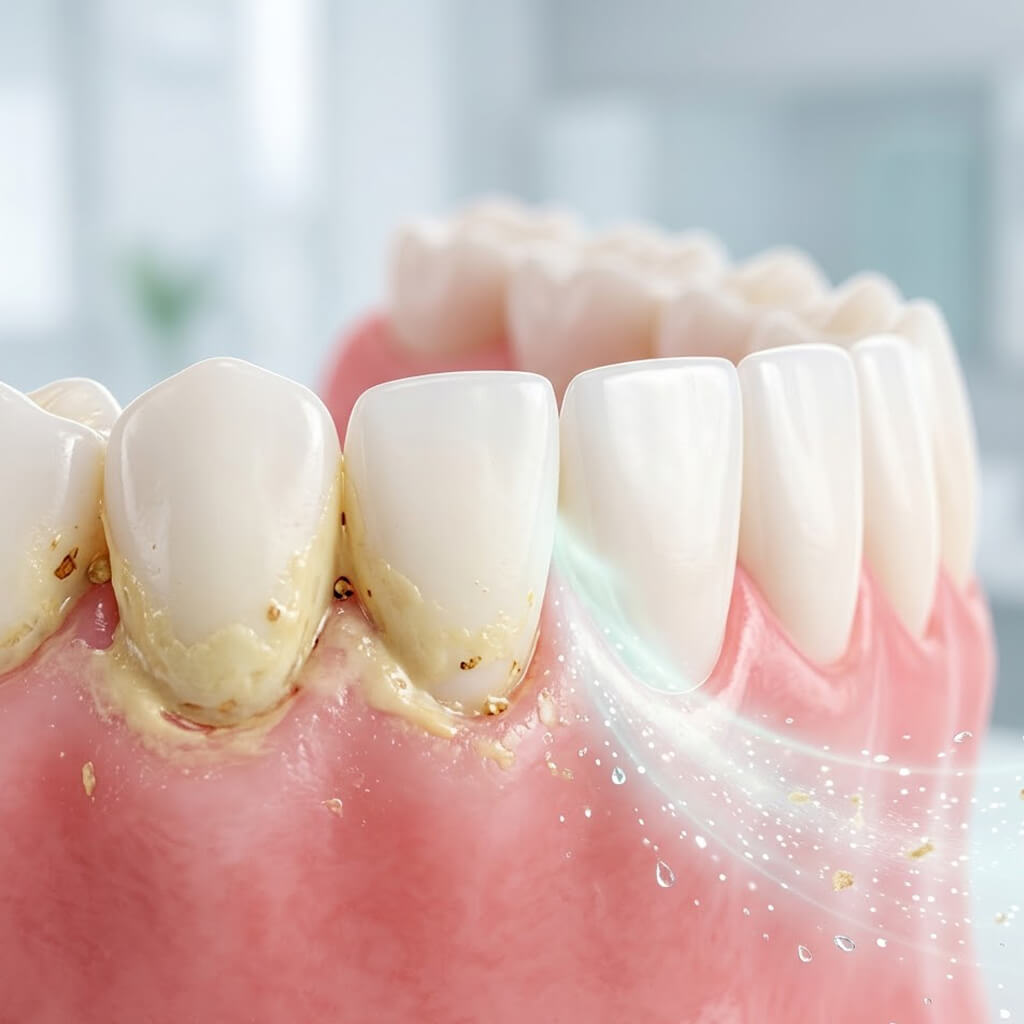
Many people suffer from bruxism (teeth grinding). This often happens during sleep. Your masseter muscles contract involuntarily. Because they are so strong, they can crack enamel, wear down tooth surfaces, and cause gum recession.
Your teeth are already fighting a losing battle against your own muscles. They do not need extra stress from the outside.
The Mistake of Manual Scrubbing
This brings us to your morning routine. Most people think "harder is better." They grab a manual toothbrush. They press down. They scrub back and forth aggressively.
This is a mistake.
You are adding abrasion to enamel that is already stressed by 200 pounds of bite force. Over time, this leads to sensitive teeth. Dentists constantly tell patients to "brush gently." But controlling your hand pressure is difficult, especially when you are in a rush.
Give Your Jaw a Break

You cannot change your anatomy. You need your masseter to eat. But you can change how you clean.
This is why we designed the Synhope 60° Oscillating Sonic Toothbrush. We wanted to remove the manual pressure from the equation.
The "Zero Pressure" Solution
- No Scrubbing: The brush head oscillates (swings) at a wide 60-degree angle. It mimics the sweeping motion of the dentist-recommended Bass Method.
- Maglev Power: You do not need to press. The 33,000 RPM vibrations break down plaque just by touching the tooth surface.
You just hold the handle. The brush glides over the teeth. It cleans effectively without acting like sandpaper on your stressed enamel.
Conclusion
So, the next time someone asks about the strongest muscle, you know the answer. It is the masseter.
Respect its power. But don't fear it. Just make sure your toothbrush isn't adding to the pressure.
Treat your teeth gently. Check out the Synhope 60° Oscillating Sonic Toothbrush. Your powerful jaw will thank you.