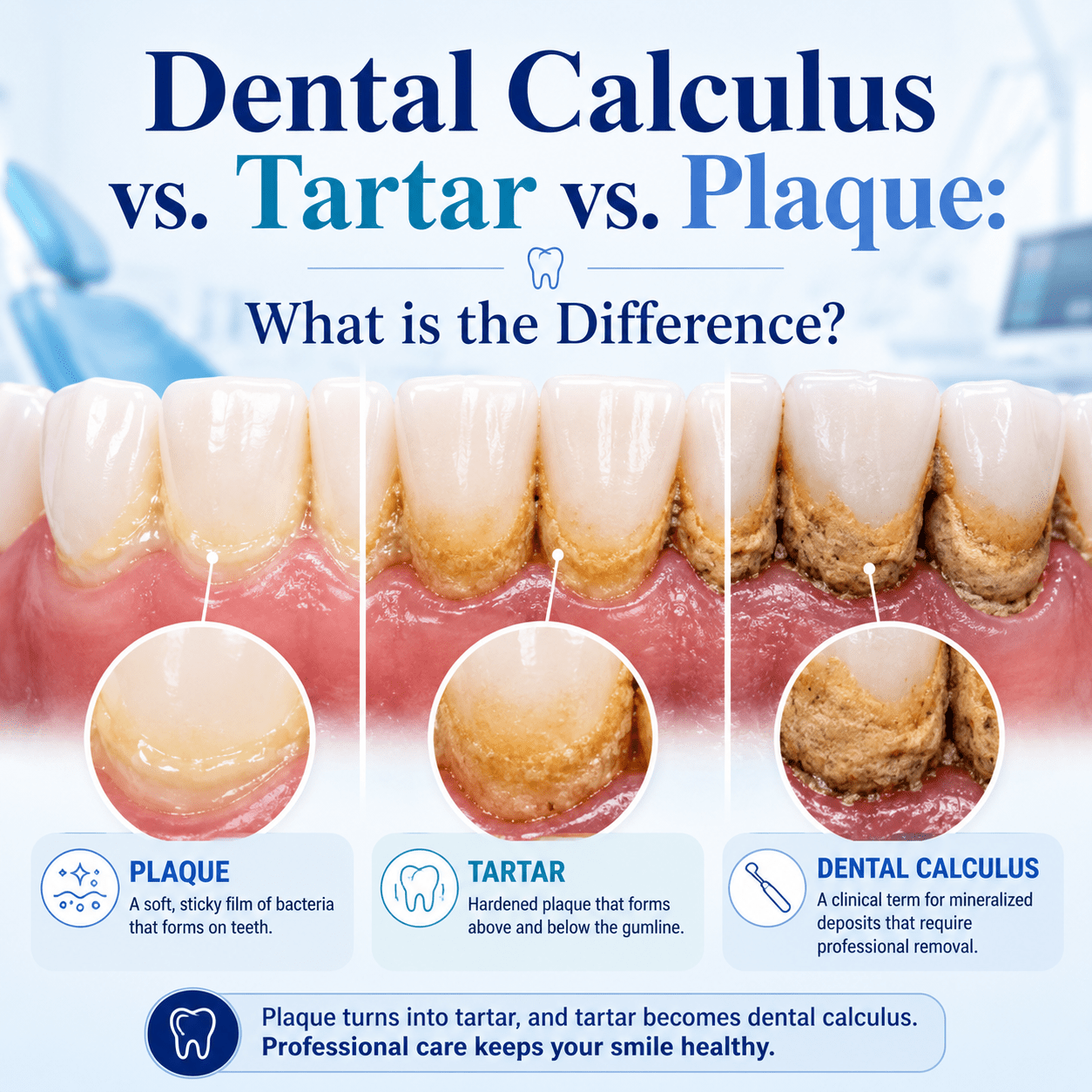
The Short Answer: Using a sharp dental calculus removal tool at home is highly dangerous. This is true without professional clinical training. It frequently results in permanent enamel scratches. You can also get severe gum tissue lacerations and deep bacterial infections. Professional dental scaling is the only medically safe method. This manages hardened tartar. Then daily hydrodynamic cleaning prevents future calculus.
The Hidden Risks of a Dental Tartar Scraper

Many people experiencing tartar buildup search the internet for quick, DIY solutions. While purchasing a stainless steel scaler online is easy, operating one safely in your own mouth is nearly impossible.
According to experts at the Mayo Clinic, calculus is a calcified, rock-hard bacterial matrix. It bonds tightly to your teeth. Dental hygienists train for years. They learn precise angles and pressure. This removes hardened calculus safely. It does not damage surrounding oral structures.
1. Irreversible Tooth Enamel Scratches
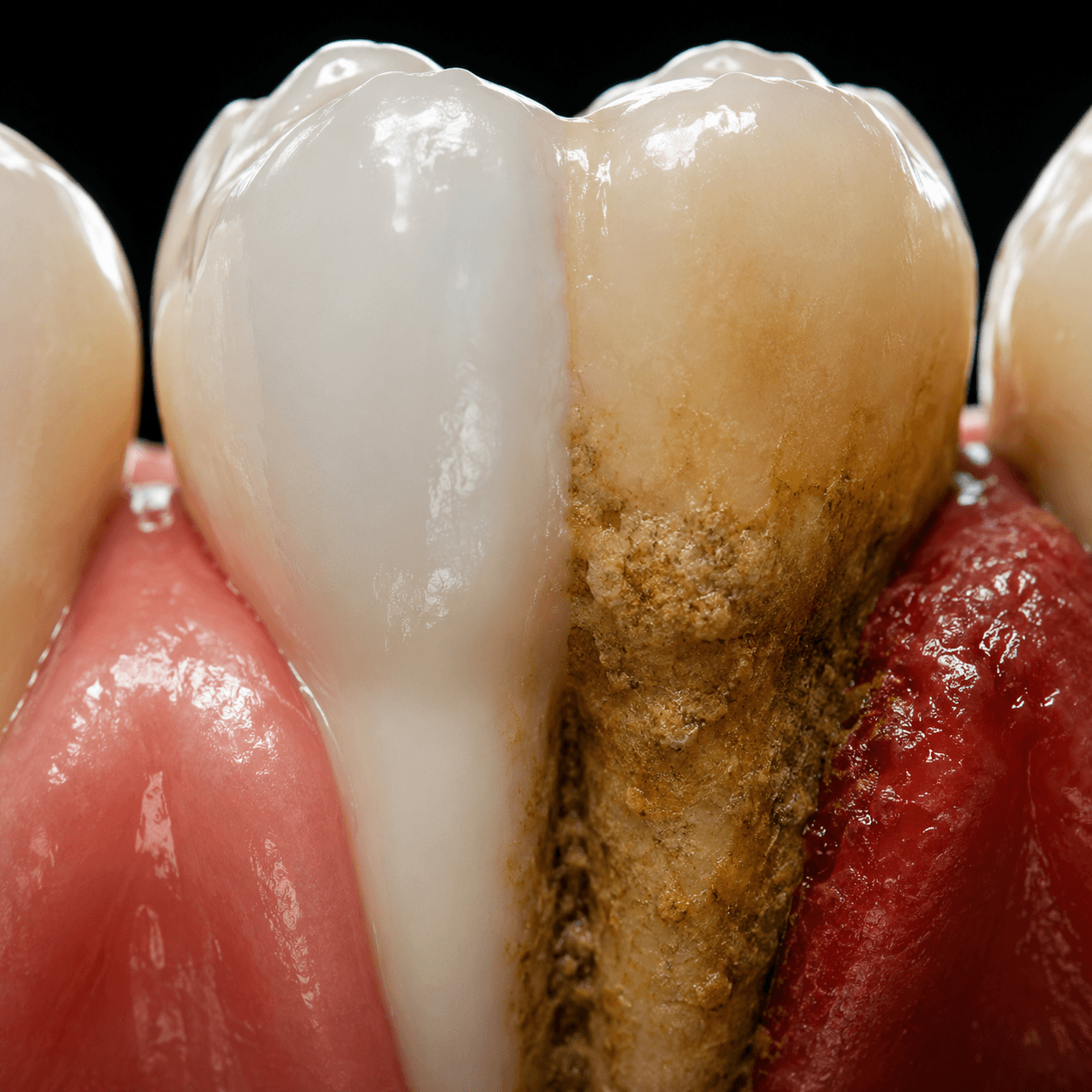
Your tooth enamel is the hardest body substance. However, it is not scratch-proof. Untrained individuals use a sharp dental tartar scraper. They often apply incorrect pressure. This carves microscopic gouges into the enamel surface. Enamel cannot regenerate. These permanent scratches create rough textures. This attracts more plaque bacteria. It accelerates future calculus formation and tooth decay.
2. Severe Gum Tissue Lacerations
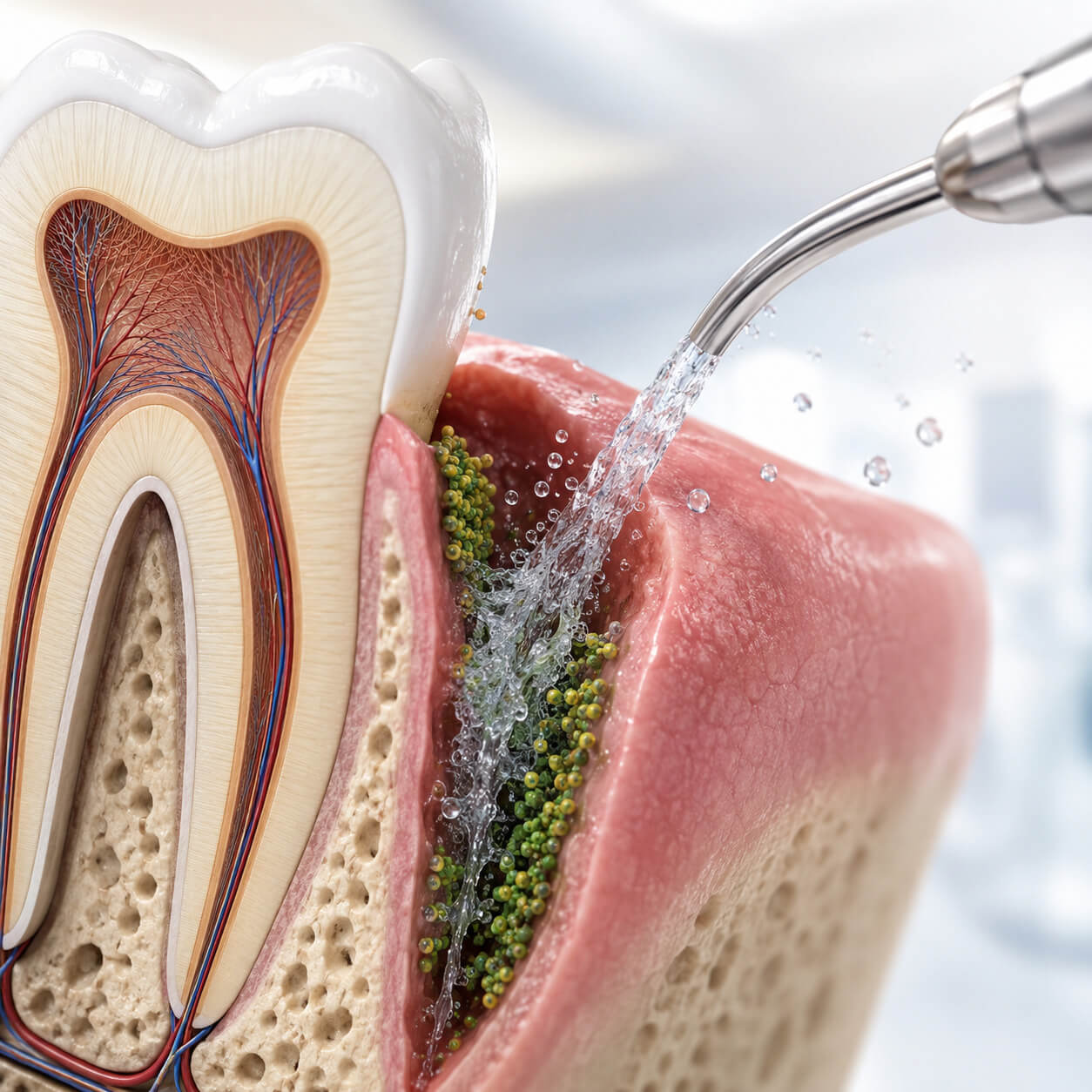
The most dangerous plaque and calculus hide beneath the gumline. They are in periodontal pockets. Attempting to dig out subgingival calculus is risky. Doing it with a sharp instrument in a mirror is dangerous. It almost guarantees you will slice delicate gingival tissue. Severe gum lacerations can lead to irreversible gum recession. This exposes the sensitive tooth root. It also introduces dangerous anaerobic bacteria into your bloodstream.
Professional Deep Cleaning vs At-Home Dental Calculus Removal Tools
Dental professionals strongly advise against DIY tartar removal. Let me clearly illustrate why. Consider clinical differences between professional care and consumer scrapers.
| Metric | Professional Dental Scaling | At-Home Dental Tartar Scraper |
| Operator Expertise | High (Licensed hygienist or dentist) | Low (Untrained consumer) |
| Tool Mechanism | Safe ultrasonic vibration & precise scaling | Sharp manual scraping & blind force |
| Subgingival Cleaning | Safely cleans deep periodontal pockets | Cannot safely reach below the gumline |
| Risk of Enamel Damage | Extremely low | Exceptionally high |
| Infection Risk | Sterile clinical environment | High risk of introducing bacteria |
The Safe Daily Routine for Periodontal Care

The most effective way to handle tartar is prevention. Prevent soft plaque biofilm from hardening. The American Dental Association (ADA) via MouthHealthy highlights this. Once calculus forms, it must be professionally removed. This happens through scaling and root planing. However, you can stop the initial calcification process at home.
A clinical study was published by the National Institutes of Health (NIH). It shows oral irrigators are effective. Hydrodynamic pressure disrupts plaque biofilm. This prevents it from mineralizing into calculus.
Instead of risking a dangerous home tool, dental professionals recommend upgrading your preventative routine. For optimal periodontal care, the SYNHOPE M6P Portable Cordless Water Flosser serves as the ultimate safe alternative.

The SYNHOPE M6P delivers 140 PSI pressure. It also performs 1,200 high-frequency water pulses per minute. This generates exact hydrodynamic shear force. It flushes sticky plaque biofilm from deep gum pockets. The device also features a dedicated Soft mode. This gently stimulates tissue healing for sensitive, bleeding gums. Its patented telescopic design ensures daily routine maintenance. You can use it anywhere in the world. This completely eliminates dangerous scraping tools.
Frequently Asked Questions
1. Can a dental calculus remover at home actually work?
No. You might chip off a small, visible piece of surface tartar. But you leave dangerous calculus beneath the gumline intact. There's a high likelihood of permanent enamel and gum damage. These tools are entirely unsafe for consumer use.
2. Will a high pressure water flosser dissolve existing tartar?
No. Once plaque calcifies into tartar (calculus), it essentially turns into a porous rock that binds tightly to the enamel. No toothbrush, string floss, or water flosser can remove it. However, using a high-pressure water flosser is the single most effective way to prevent soft plaque from turning into tartar.
3. Are electric ultrasonic plaque removers safe to use myself?
No. Consumer-grade electric ultrasonic scalers pose significant risks. Professional dental tools use continuous cooling water spray. Without it, a dry ultrasonic scaler can overheat teeth. This causes permanent thermal damage. It harms the dental pulp and nerve inside your tooth.