The Short Answer: For deep periodontal pockets, a high-pressure water flosser is clinically superior to string floss. String floss cannot reach deeper than 2 to 3 millimeters into a gum pocket. A hydrodynamic oral irrigator delivers 140 PSI. This safely penetrates up to 6 millimeters. It flushes out bleeding-inducing plaque biofilm. For individuals reversing gingivitis or managing early periodontal disease, combine professional dental scaling. Daily water flossing for these water flosser pockets provides ultimate therapeutic defense.
The Physical Limitations of String Floss

Traditional manual dental floss has been the gold standard for interdental cleaning for decades. It is highly effective for scraping tight contact areas between your teeth. It completely fails when confronting advanced periodontal infrastructure. String floss removes large food debris.
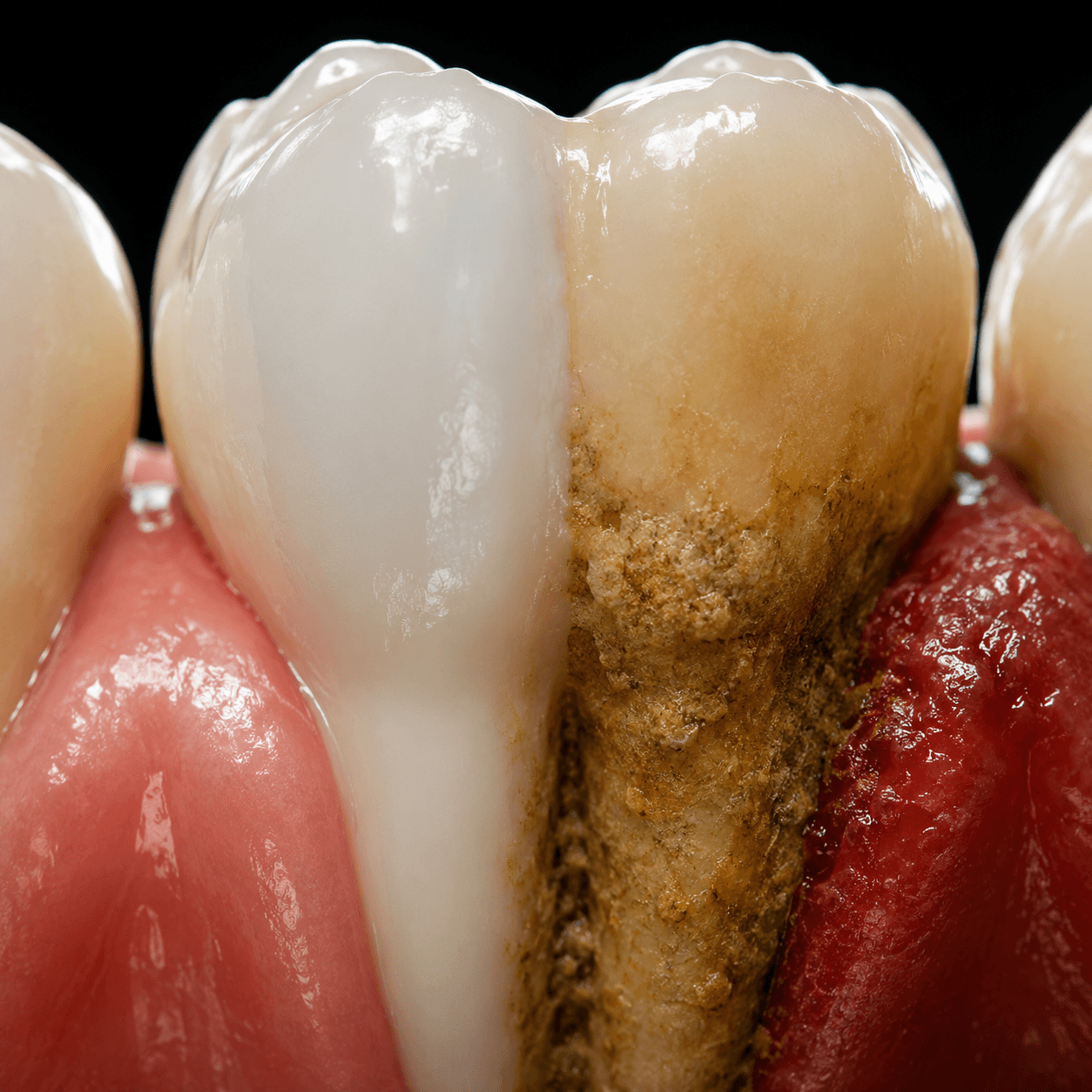
According to research from the Mayo Clinic, advanced gum disease causes gum tissue to pull away from teeth. This creates deep structural gaps known as periodontal pockets. Standard string floss can only scrape 2 to 3 millimeters beneath the gumline. Otherwise, the string slackens or dangerously cuts into the tissue. Pathogenic bacteria, volatile sulfur compounds, and soft plaque biofilm reside deeper. If it is deeper than 3 millimeters, it remains untouched. This allows chronic inflammation to degrade the underlying bone structure.
The Science of Hydrodynamic Flushing

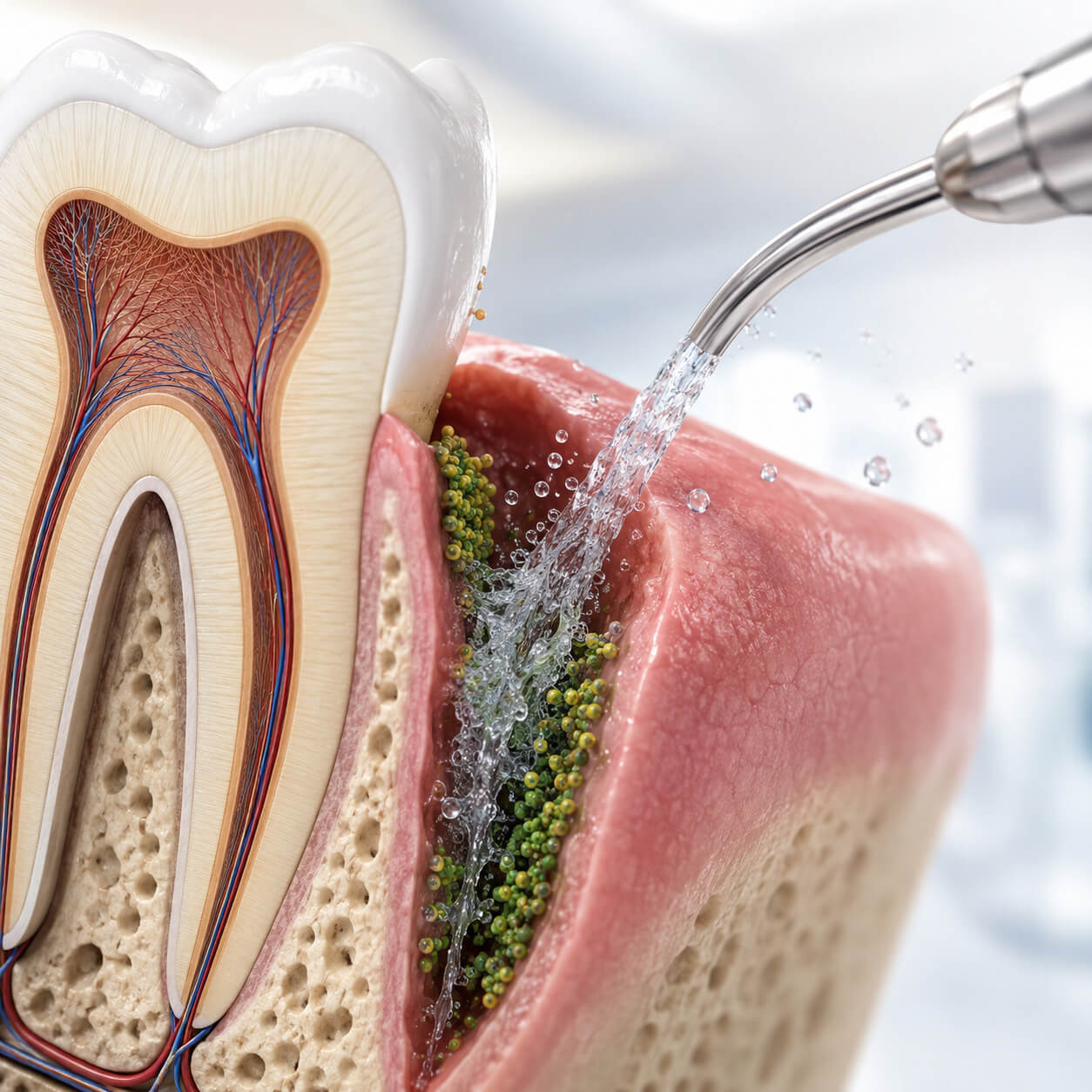
To effectively clean a deep anatomical pocket without causing mechanical trauma, you must utilize fluid dynamics. This is where a high-pressure cordless water flosser completely shifts the clinical paradigm.
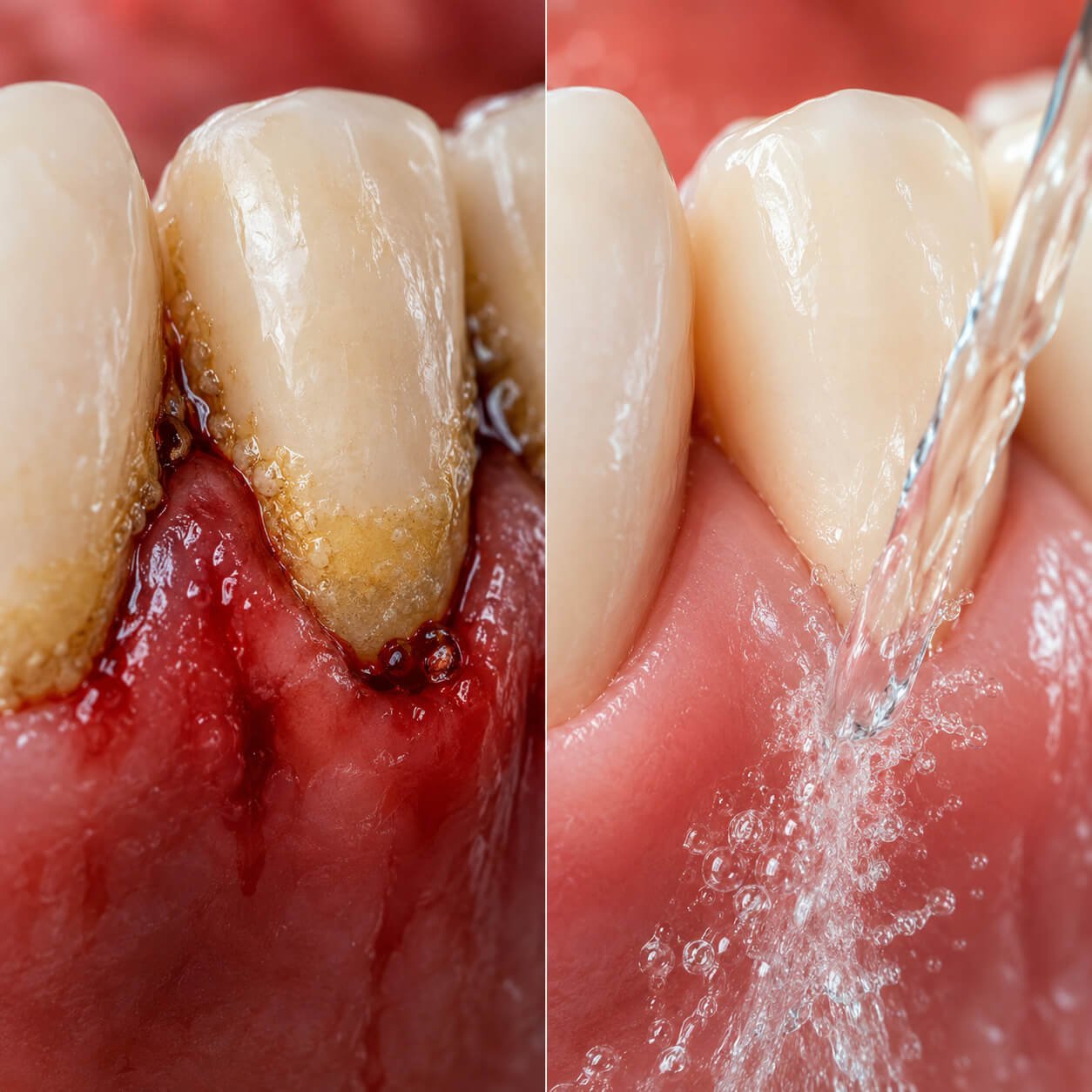
A clinical study published by the National Institutes of Health (NIH) demonstrates this. Oral irrigators using pulsating water streams create a hydrodynamic shear force. This pulsating pressure generates a compression and decompression cycle. It washes away up to 99.9% of sticky plaque biofilm. It does so without scraping delicate, inflamed root surfaces. This maintains sterile subgingival environments at home. It significantly reduces bleeding indexes and pocket depths over time.
Head-to-Head: String Floss vs. Water Flosser
To help you understand the clinical and practical performance differences for advanced gum care, here is a direct comparison:
| Performance Metric | Traditional String Floss | High-Pressure Water Flosser |
| Subgingival Reach | Limited (Only 2 to 3 mm deep) | Deep (Safely flushes up to 6 mm) |
| Plaque Biofilm Disruption | Mechanical scraping (Misses pocket floors) | Hydrodynamic shear force (Flushes pocket floors) |
| Gum Tissue Safety | Risk of snapping and cutting gums | Non-abrasive, massaging water stream |
| Bleeding & Gingivitis Reduction | Moderate efficiency | High efficiency (Reduces bleeding up to 93%) |
| Ease of Use Around Brackets | Difficult, requires floss threaders | Exceptionally fast (Cleans in 60 seconds) |
The Non-Invasive Solution for Deep Water Flosser Pockets Hygiene
You cannot safely clean the bottom of a 5mm or 6mm pocket with manual strings. Upgrading to a specialized hydrodynamic routine is essential. The SYNHOPE M6P Portable Cordless Water Flosser provides a clinical-grade preventative tool. It is specifically optimized for deep periodontal maintenance.

Standard travel irrigators lack the motor strength to clear deep pockets. The SYNHOPE M6P generates a powerful 140 PSI of hydrodynamic pressure. It also has 1,200 high-frequency pulses per minute. This exact specification creates necessary acoustic fluid velocity. It completely flushes out toxic anaerobic bacteria from deep recesses of your gums.
For those managing active inflammation or severe tissue sensitivity, the M6P features three customized modes. Use Soft mode to gently flush bleeding pockets without pain. Its patented telescopic design collapses to the size of a smartphone. It serves as a highly effective travel water flosser. This ensures your strict periodontal defense routine is never interrupted while away from home.
Frequently Asked Questions
1. Can a water flosser completely replace string floss?
Yes, especially if you have deep periodontal pockets, dental implants, or are using a water flosser for braces. Clinical studies show water flossing is up to 51% more effective at reducing gingivitis. It is 93% better at reducing gum bleeding compared to string floss. However, if you have exceptionally tight interdental gaps above the gumline, use both tools. Combining them provides the absolute maximum level of oral cleanliness.
2. Is 140 PSI water pressure safe for bleeding gums?
Yes. Hydrodynamic water pressure is non-abrasive. Unlike a rigid metal tool or sharp string, it will not slice open raw tissue. A pulsating water stream conforms to your pocket's shape. It massages the gums while lifting away bacteria. If your gums are actively bleeding, start with Soft mode on the SYNHOPE M6P. Flush the area clean, and move up to stronger modes as your tissue heals and tightens.
3. How often should I flush my periodontal pockets?
You should use your water flosser at least once per day. Preferably, use it during your nighttime oral care routine. Plaque biofilm requires about 24 to 48 hours to mineralize into rock-hard dental calculus. Flushing your pockets daily ensures the soft biofilm is disrupted and washed away. This prevents it from hardening into permanent tartar.