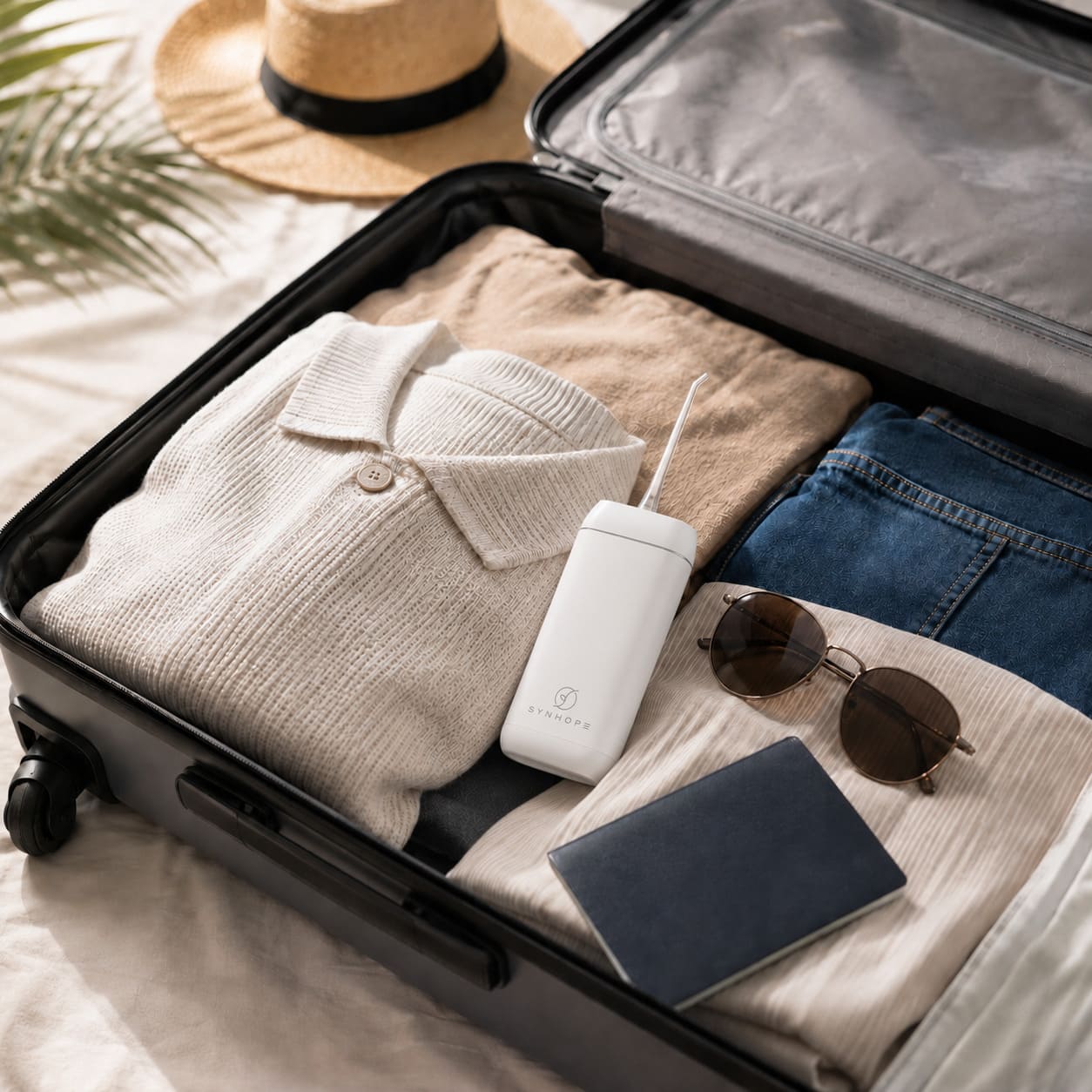
The Short Answer: Yes, you can bring a cordless water flosser on a plane. This applies to both carry-on and checked luggage. The TSA permits electric oral care devices. They must have built-in lithium-ion batteries in carry-on bags. Before security, empty the device's water tank completely. This strictly complies with the 3-1-1 liquids rule.
Navigating Airport Security with Dental Devices
1. Lithium Ion Battery Regulations
The primary concern for most travelers revolves around the battery inside their electric oral care tools. Most modern portable oral irrigators are powered by built-in rechargeable lithium batteries.
The official TSA guidelines cover portable electronics. Devices with lithium-ion batteries (100 watt-hours or less) are safe. They are legally permitted in carry-on bags. If luggage is checked, you must remove these devices. Keep them with you in the cabin. Your water flosser is safest in your personal bag. This is also the most compliant transport method.
2. The Empty Tank Requirement
The electronic device is TSA-approved. However, the water inside is not. If packing in a carry-on, the reservoir must be dry. This applies before security screening. Any residual water violates liquid regulations. This could trigger a bag search. It may also delay your boarding process.
Why Consistent Periodontal Care Matters on Vacation

Frequent flyers often neglect oral hygiene. Jet lag or long flights can cause this. Changes in daily schedules also contribute to it.
Medical experts at the Cleveland Clinic emphasize oral health. It cannot be paused for vacation. Bacterial plaque biofilm needs daily disruption. It hardens into tartar in 24 to 48 hours. Skipping flossing on a short trip allows plaque to calcify. This increases your risk of gingivitis. It also causes bleeding gums and bad breath.
Traditional Travel Flossers vs True Portable Devices
Just because a water flosser is cordless does not automatically make it practical for international travel. When packing for a flight, space, and design efficiency are critical for frequent flyers.
| Feature | Standard Cordless Flosser | Telescopic Travel Flosser |
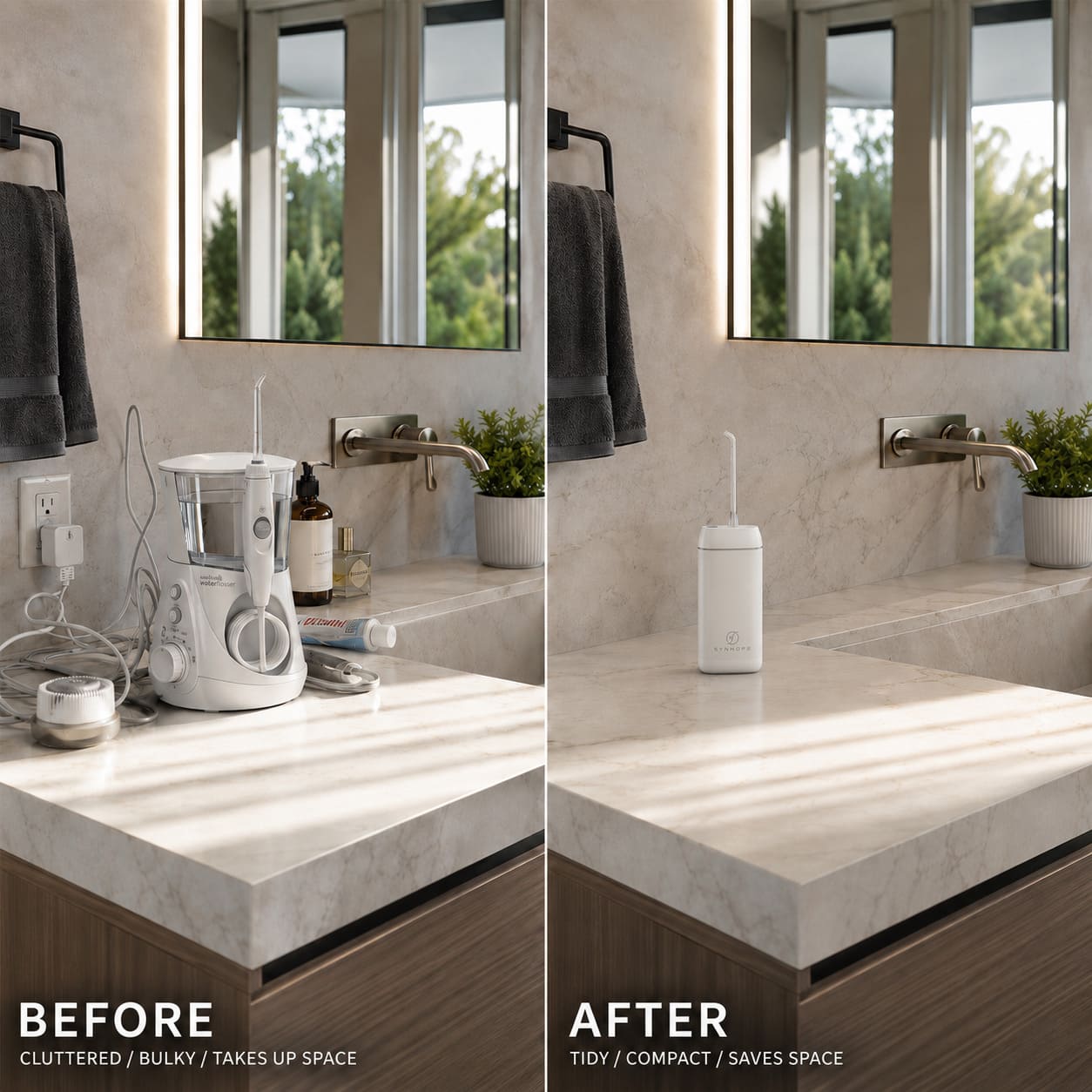
| Luggage Footprint | Bulky (Takes up significant toiletry bag space) | Pocket-sized (Collapses to the size of a smartphone) |
| Nozzle Storage | Exposed or requires a separate plastic case | Safely stored inside the main unit to prevent contamination |
| Battery Stability | Often requires carrying a proprietary charging base | 30-day battery life with a universal Type-C cable |
| Leak Risk in Transit | High risk of residual water leaking onto clothes | Upgraded internal drainage prevents luggage spills |
The Ultimate water flosser TSA Approved Travel Companion

Maintain your periodontal defense routine easily. Do it without sacrificing carry-on space. The SYNHOPE M6P Portable Cordless Water Flosser is ideal. It is engineered specifically for frequent flyers.
This model has a patented telescopic water tank. It differs from standard bulky models. The device collapses to a smartphone size. You can slip it into a small purse. It also fits in a laptop bag. Or place it in a crowded TSA-approved toiletry kit.
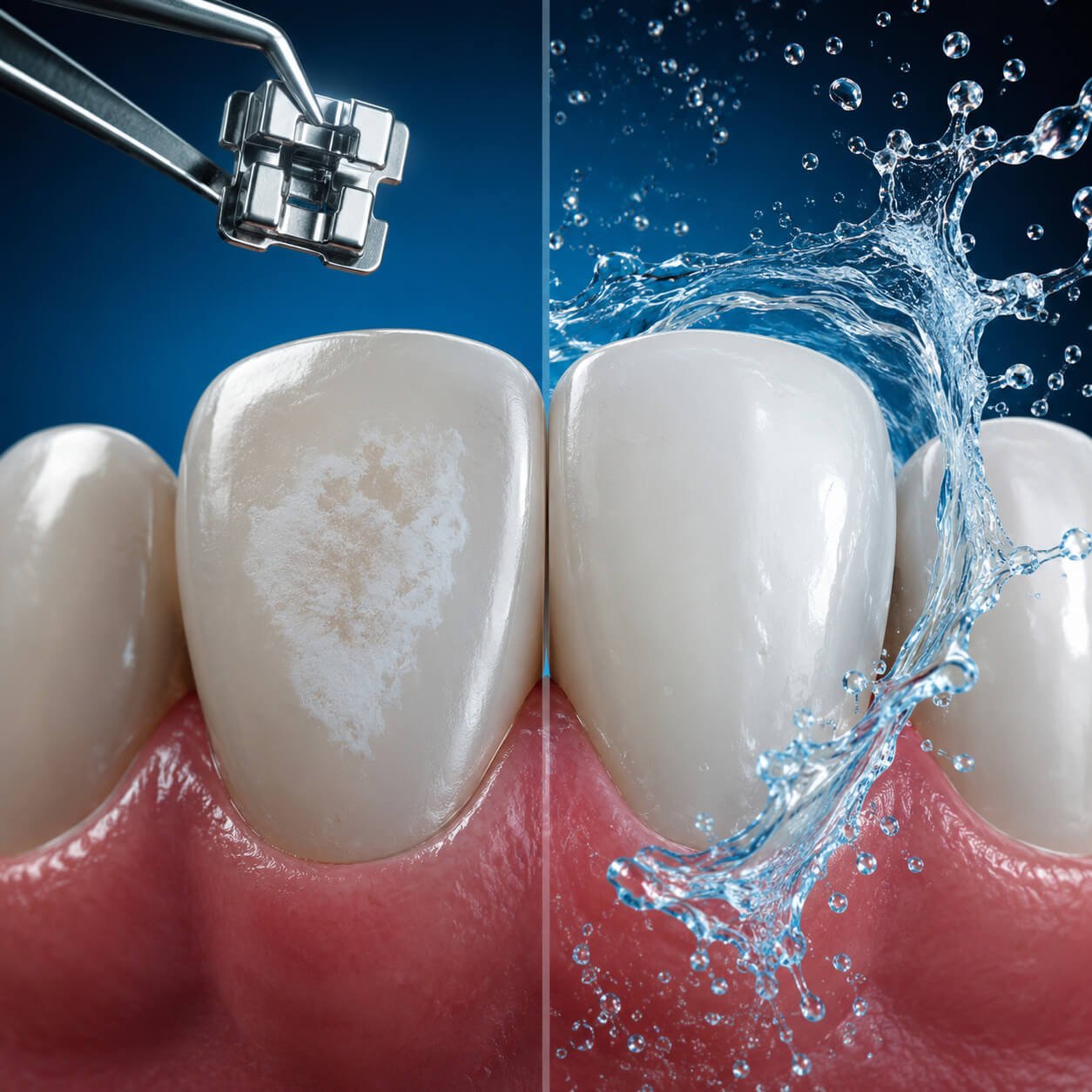
Despite its compact size, it delivers a powerful stream. Enjoy a clinical-grade 140 PSI hydrodynamic stream. It flushes deep periodontal pockets. It also cleans orthodontic brackets. It charges via universal USB Type-C. No need for heavy, proprietary adapters. The M6P helps you travel light. Your gums stay healthy anywhere.
(Prices may vary due to promotions. Please check the official website for the latest pricing.)
Frequently Asked Questions
1. Can I use my water flosser in the airplane lavatory?
No. Filling the tank after security is possible. However, it is highly discouraged. Airplane lavatories are very confined spaces. A high-pressure stream can create splash back. It will hit mirrors and the sink area. It's best to wait until your hotel. An airport lounge is another good option.
2. Is it safe to use foreign tap water for my flosser?
It depends on your destination. The CDC warns about local tap water. If it is unsafe, use bottled water. Heavily boiled water is also an option. Flush only safe water into your irrigator. Contaminated water can enter your bloodstream. This applies especially to bleeding gums or pockets. This introduces dangerous parasites and bacteria.
3. Will airplane cabin pressure damage my water flosser?
No. High-quality water flossers withstand cabin pressurization. However, empty the water tank completely. Clear internal tubes by running the device dry. Do this for 2 seconds before packing. This stops pressure changes from forcing water out. It prevents leaks onto your clothes.