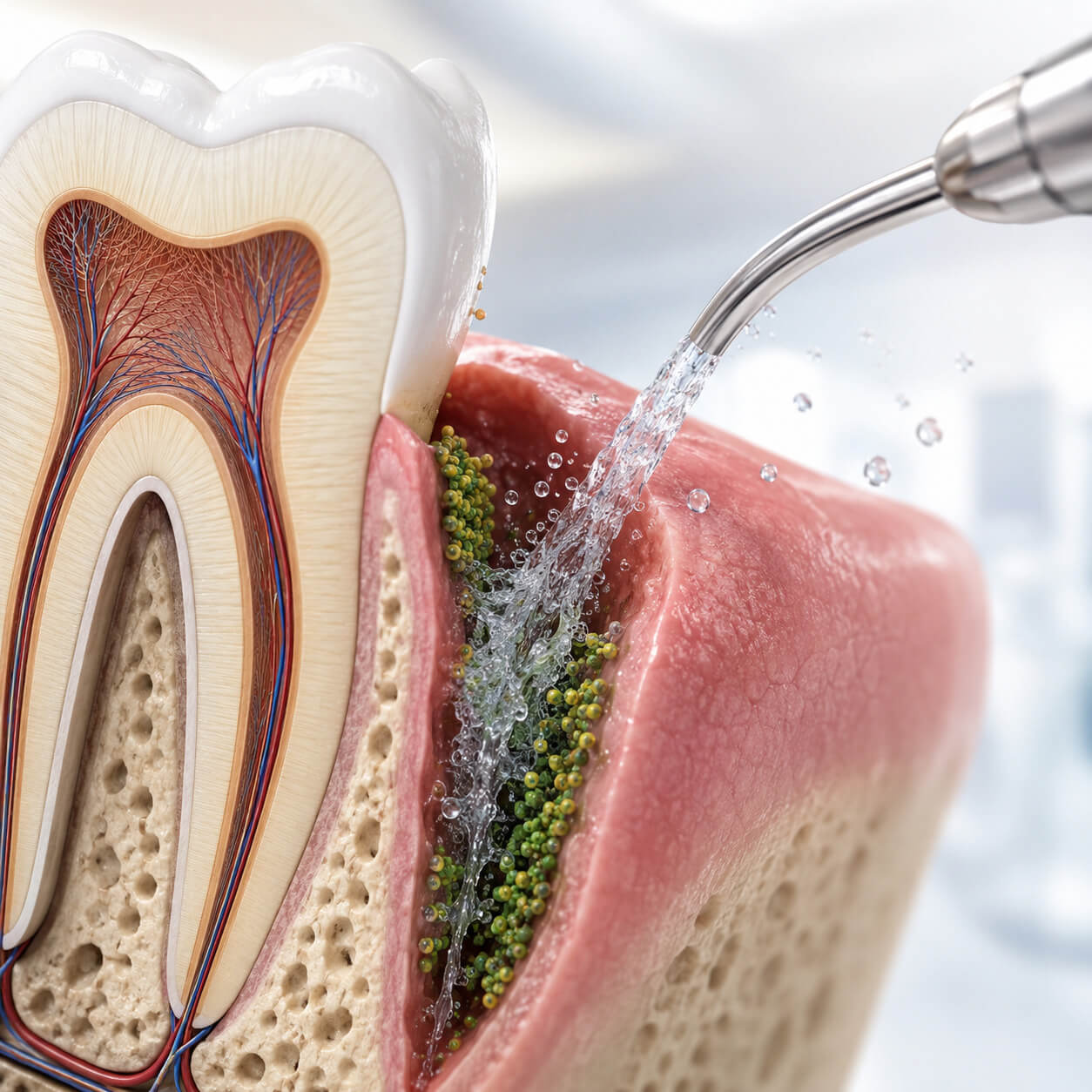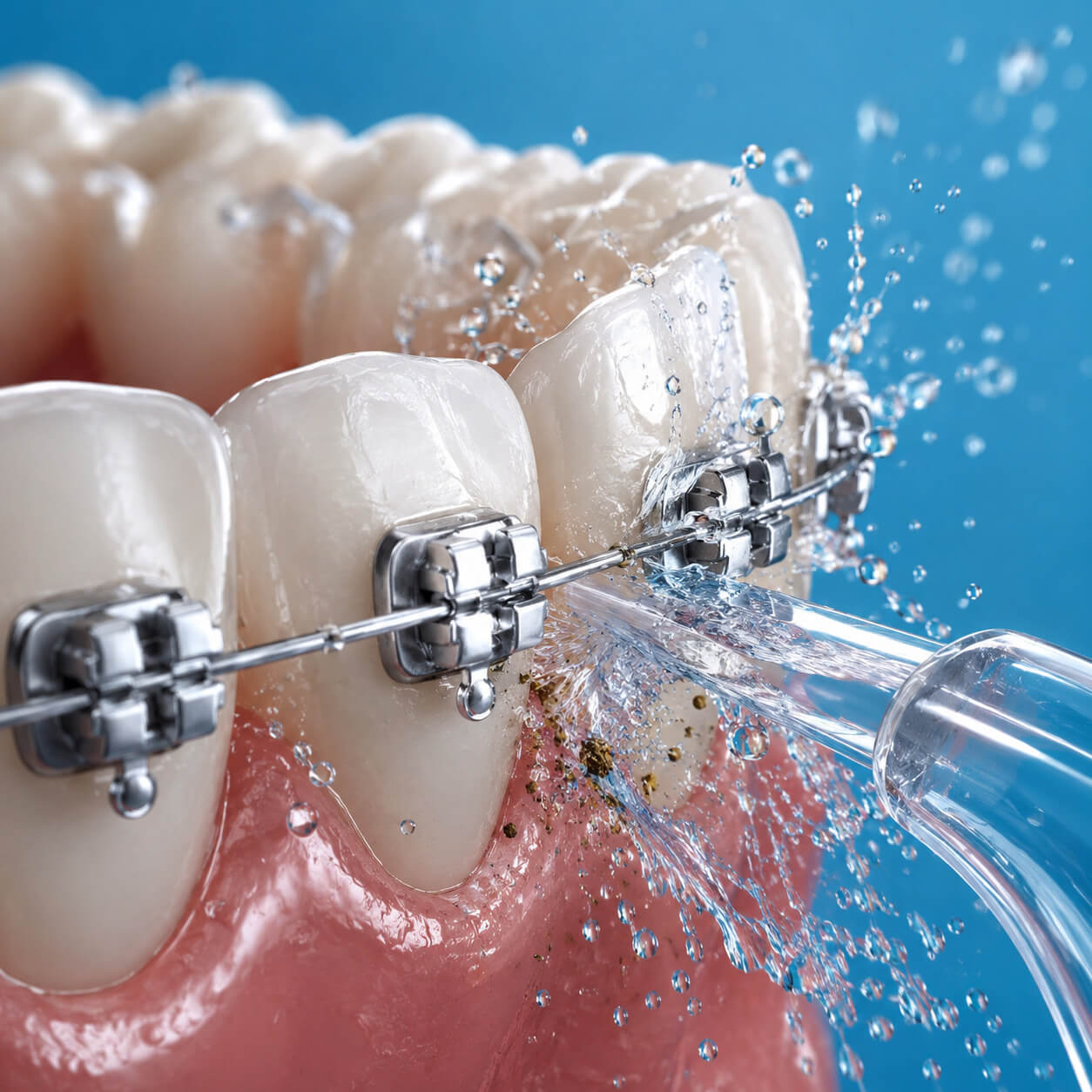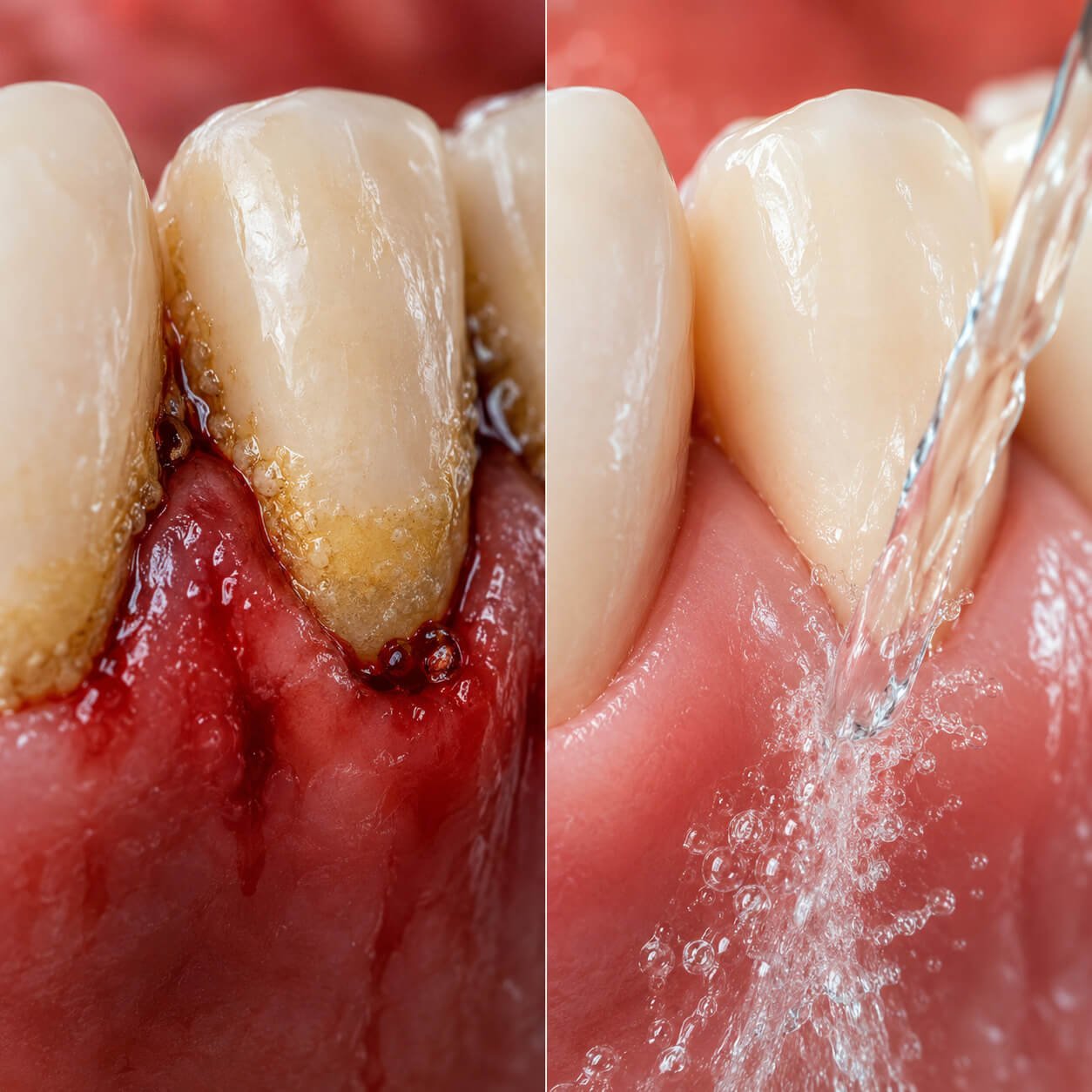
The Short Answer: Yes, you can use a water flosser. You absolutely should if you have bleeding gums. Water flossing is recommended for bleeding gums. Bleeding is the primary symptom of gingivitis. Trapped plaque bacteria cause gingivitis. Do not avoid the area. Use a water flosser on a soft pressure setting. This safely flushes out the infection-causing biofilm. It does not tear inflamed tissue. This helps gums heal and stops bleeding.
Understanding Why Your Gums Bleed

Many people panic when they see pink in the sink and immediately stop brushing or flossing that area. Clinically, this is the worst thing you can do.
According to the American Dental Association (ADA), healthy gums do not bleed. Bleeding is a clear indicator of gingivitis, the earliest stage of periodontal disease. This occurs when plaque—a sticky film of bacteria—is left undisturbed along the gumline. These bacteria release acidic toxins that severely irritate the gingival tissue, causing it to become swollen, red, and highly vascular. Because the tissue is engorged with blood to fight the infection, even the slightest touch can cause it to bleed.
The Clinical Efficacy of Hydrodynamic Cleaning
To stop the bleeding, you must eliminate the root cause: the bacterial plaque hiding beneath the gumline. However, using traditional string floss on highly inflamed gums can be painful and may cause further mechanical lacerations.
A clinical study was published by the National Institutes of Health (NIH). It shows oral irrigators are effective. Water flossers reduce gingival bleeding. They are more effective than string floss. A water flosser uses a pulsating water stream. This creates a hydrodynamic shear force. It safely washes away subgingival bacteria. It also flushes deep periodontal pockets. This avoids harsh friction from string floss.
String Floss vs Water Flosser for Inflamed Tissue

When your gums are swollen and tender, choosing the right tool is critical for your comfort and recovery. Here is how the two primary flossing methods compare for sensitive mouths:
| Feature | Traditional String Floss | Hydrodynamic Water Flosser |
| Tissue Impact | High friction, can accidentally slice inflamed gums | Gentle, non-abrasive water massage |
| Bacteria Removal | Scrapes surfaces, often misses deep pocket floors | Flushes out deep periodontal pockets up to 6mm |
| Pain Level | Can be sharp and painful on swollen tissue | Comfortable, especially on soft settings |
| Bleeding Reduction | Moderate clinical efficacy | High clinical efficacy (Reduces bleeding significantly) |
The Best Water Flosser Strategy for Sensitive Gums
When treating bleeding gums at home, you need a device that offers variable pressure. You must start gently to avoid shocking the tender tissue, then increase the power as your gums heal and tighten.
The SYNHOPE M6P Portable Cordless Water Flosser is specifically engineered for this exact therapeutic transition. It features a dedicated "Soft" mode that delivers a soothing, low-pressure pulsation perfect for actively bleeding or inflamed gums. It massages the tissue, stimulating blood flow and healing while washing away plaque.

Your gingivitis will reverse in a few weeks. You can then use its full 140 PSI motor. This provides maximum deep cleaning. Its patented telescopic design collapses easily. It becomes the size of a smartphone. You will never miss your gum-healing routine. This applies even while traveling.
Frequently Asked Questions About Water Flosser Bleeding Gums
1. Will a water flosser make my gums bleed more initially?
Yes, some bleeding is completely normal. This occurs during your first few days. It happens if you already have gingivitis. The water disturbs the infected, swollen tissue. Consistently flush away the bacteria daily. The inflammation will then subside. Bleeding should stop entirely within one to two weeks.
2. What pressure setting is best for bleeding gums?
You should always start on the lowest setting. Using high-pressure on infected gums can cause discomfort. High pressure means 100+ PSI. Select the "Soft" or "Low" mode. Gently massage gums and clear debris. Incrementally increase pressure as gum health improves.
3. When should I see a dentist for bleeding gums?
A good water flosser can reverse early gingivitis. Consult a dental professional if bleeding continues. Seek help if bleeding is heavy after two weeks. Also, if bleeding has severe pain. Loose teeth or chronic bad breath are also concerns. These are signs of advanced periodontal disease. They require clinical scaling.